Side-by-side comparisons that make sizing simple
Compare closer types (standard arm, parallel arm, top jamb, concealed) with photo slots for real door mounting positions, adjustment valves, and arm geometry.
View comparisonsAutomatic door closer selection and installation
Door closer models in real installs
High-resolution photo slots for your library


Tip: A “good” closer is the one that matches door weight, hinge friction, and traffic level. Our selector and charts help you avoid under-sized closers that slam or fail early.
Quick start checklist
Measure first, drill once
Pick your door type and mounting constraints to preview a practical closer style. This tool is designed for fast, low-stress decisions when you are choosing an automatic door closer for a home entry, interior door, garage-to-house door, or light-commercial space.
If your door is heavy, drafts are strong, or the frame is worn, you may need a stronger size and a parallel-arm setup for better control.
Selector inputs
Instant recommendations with visual previews
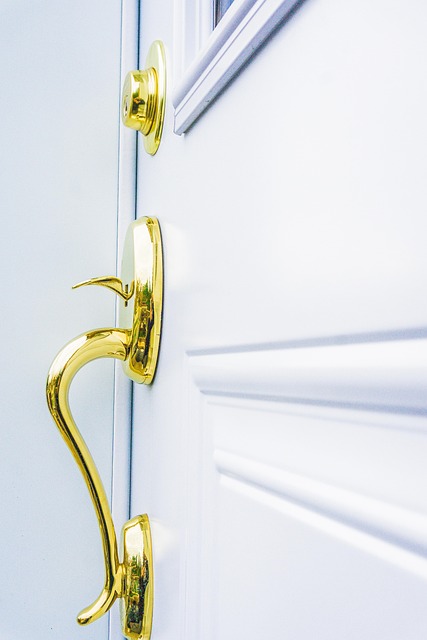
Recommended closer style
Balanced for medium-weight exterior doors. Prioritizes latch reliability with adjustable sweep and latch speed.
Key check
Confirm hinge friction and door alignment
Install note
Use the template and pre-drill accurately
This selector provides a starting point. For fire-rated or regulated doors, follow local code and manufacturer instructions.
From side-by-side comparison images to step-by-step installation photos, our pages are structured like a practical workbook for automatic door closer selection and fitting.
Compare closer types (standard arm, parallel arm, top jamb, concealed) with photo slots for real door mounting positions, adjustment valves, and arm geometry.
View comparisonsFollow a clean sequence: mark template, drill, mount body, set arm angle, test swing, then tune sweep speed and latch speed for a controlled close.
Open tutorialProblem-to-solution visuals show what to adjust first, what to avoid, and when a closer is undersized or the door is binding.
Find your fixAutomatic door closers are simple hardware, but small installation errors create big frustrations. Delvaronia focuses on real-world fit: door material, frame condition, hinge friction, weather exposure, and daily traffic. You will find compatibility charts that are easy to read, photo-led installation sequences, and realistic tuning targets so your door closes smoothly without slamming.
Keywords integrated naturally: automatic door closer, hydraulic closer, door closer installation, latch speed, sweep speed, backcheck, parallel arm, top jamb.
We encourage measuring, using templates, and following manufacturer instructions. For regulated doors, consult local code and qualified installers.
Compatibility chart preview
Illustrated and readable on mobile



Send your door details and we will reply with a practical short-list: closer type, mounting approach, and tuning goals. Include door width, approximate weight, swing direction, and whether wind or drafts are a problem. 📞
Contact details
Delvaronia Home Hardware Ltd., 14 Bishopsgate, London EC2N 4AJ, United Kingdom
Mon–Fri: 09:00–17:30 (UK time)
Safety note: Use eye protection when drilling. For fire doors and regulated openings, ensure approved hardware and compliant installation.