
Try first: slow the sweep speed slightly, then reduce latch speed only if the last few degrees slam.
Also check: arm angle, loose bracket, under-sized closer, or door binding.
Troubleshooting
Use this problem-to-solution guide to diagnose common automatic door closer issues: slamming, slow closing, bouncing, leaking oil, backcheck noise, and doors that won’t latch. Each card includes visual references and the safest first adjustment to try. If you are unsure, contact Delvaronia for a simple recommendation.
Tap through the most common symptoms. Each card shows what to look for and the safest first fix. If oil is leaking or the door is regulated (fire-rated, accessibility), consult a qualified installer.
Try first: slow the sweep speed slightly, then reduce latch speed only if the last few degrees slam.
Also check: arm angle, loose bracket, under-sized closer, or door binding.

Try first: slightly increase sweep speed. Keep latch speed adequate to finish the last 10–15°.
Also check: cold temperatures can slow hydraulics; confirm closer rating.

Try first: increase latch speed slightly so the final few degrees have more force.
Also check: strike alignment, weatherstrip friction, hinge sag, door rubbing.

Try first: stop adjusting valves and plan replacement. A leaking closer may become inconsistent and unsafe.
Also check: ensure screws are secure; avoid overtightening valves.

Try first: reduce backcheck slightly so it resists opening without a harsh stop.
Also check: arm hitting trim, door stop contact, loose shoe hardware.
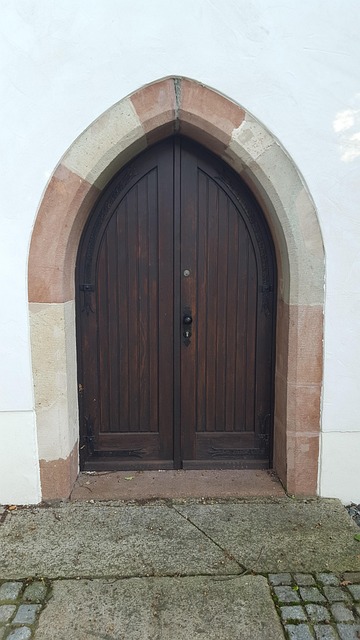
Try first: fix the door fit. A closer cannot compensate for major friction or hinge sag.
Also check: hinge screws, shimming, strike alignment, warped door edge.
Replacement is usually the right call when a hydraulic door closer leaks oil, closes inconsistently, or cannot be tuned without slamming. If your door is heavier than the closer can control, you may need a different size or a more suitable mounting style such as a parallel arm configuration.
Send door width, approximate weight, and a photo of the hinge side. We will reply with a practical short-list and mounting notes.
Problem-solution visuals (reference strip)
Use for quick diagnosis



If your door is a required egress route or fire door, keep the opening compliant and avoid disabling self-closing features.